
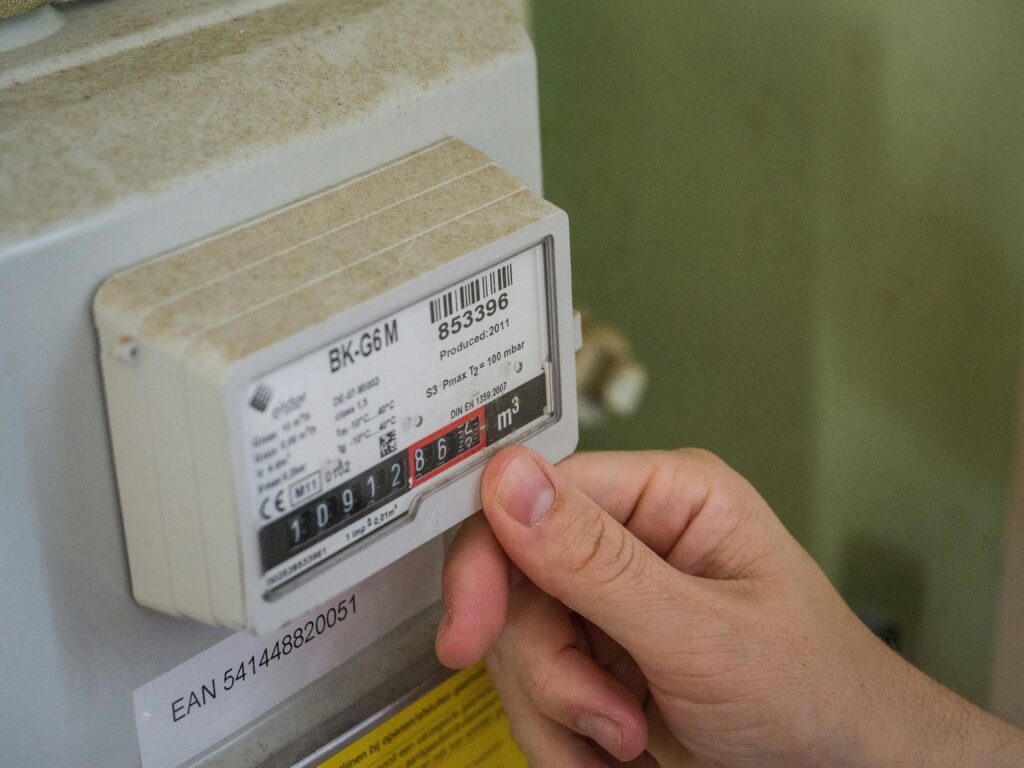
If you are adding a boiler, fitting out a kitchen or taking on a bigger unit, one of the first questions the gas network and your engineer will ask is what size of meter the site needs. Get it wrong and appliances starve of gas at peak times, or you pay for a larger meter and connection than you will ever use.
This guide explains the common commercial gas meter sizes, roughly how much load each one can handle and how to work out whether your business needs an upgrade. If you already know you need a new or bigger meter, our business gas meter installation service handles the whole process for you.
What the U Numbers Mean
Most UK gas meters up to medium commercial size are diaphragm meters, labelled with a U number. The number is the maximum flow the meter is designed to pass, in cubic metres of gas per hour. A U6 meter handles up to 6 m³/h, a U16 up to 16 m³/h and so on.
Because one cubic metre of natural gas holds roughly 10.5 to 11 kWh of energy, you can turn those flow rates into an approximate heat input. That is the figure your Gas Safe engineer or mechanical designer will usually give you, as the total kW of every appliance on site.
Gas Meter Sizes and Approximate Loads
The figures below are a rough guide only. Your engineer and the network will confirm the right size from the full appliance schedule and how the appliances are used.
| Meter | Max flow | Approx. load | Typical use |
|---|---|---|---|
| U6 | 6 m³/h | up to about 65 kW | Homes, small shops, offices with one boiler |
| U16 | 16 m³/h | up to about 170 kW | Cafes, small restaurants, larger offices, small schools |
| U25 | 25 m³/h | up to about 270 kW | Busy restaurants, care homes, mid size workshops |
| U40 | 40 m³/h | up to about 430 kW | Large kitchens, schools with central boiler houses, hotels |
| U65 | 65 m³/h | up to about 700 kW | Leisure centres, larger schools, light industrial |
| U100 | 100 m³/h | up to about 1 MW | Factories, hospitals, large campuses |
| U160 | 160 m³/h | up to about 1.7 MW | Heavy process and industrial sites |
Above U160, sites normally move to rotary or turbine meters, which are sized individually and often sit on a medium pressure supply with their own pressure regulating installation.
How to Work Out Which Size You Need
Add up the appliances
Start with the gas input rating of every appliance: boilers, water heaters, ovens, ranges, fryers, process burners. The rating is on the data plate or in the manufacturer’s documents, normally in kW gross.
Allow for how they run together
Not every appliance runs flat out at the same time, so engineers apply a diversity allowance. A school kitchen at lunchtime, though, really can have every burner on, so be careful about assuming too much diversity in catering.
Leave headroom for growth
If you are planning a second kitchen line, an extra boiler or a heat network connection in the next few years, say so now. Upgrading the meter later usually means a second set of works, more downtime and a second bill.
Check the service pipe as well as the meter
A bigger meter is not always the whole story. If the service pipe from the main is too small, or the main itself has limited pressure, the network may need to replace the service or reinforce the main. That is where most of the cost and lead time of an upgrade sits.
Signs Your Current Meter Is Too Small
- Burners lose flame or appliances lock out when everything is on at once
- Your engineer reports low working pressure at the appliances during peak use
- You are adding a boiler, kitchen line or process load that was not in the original design
- The building has changed use, for example from offices to a restaurant or gym
If any of these sound familiar, ask for a load check before you buy new equipment. Our guide to gas meter upgrades for commercial kitchens covers the catering case in more detail.
Who Changes the Meter Size
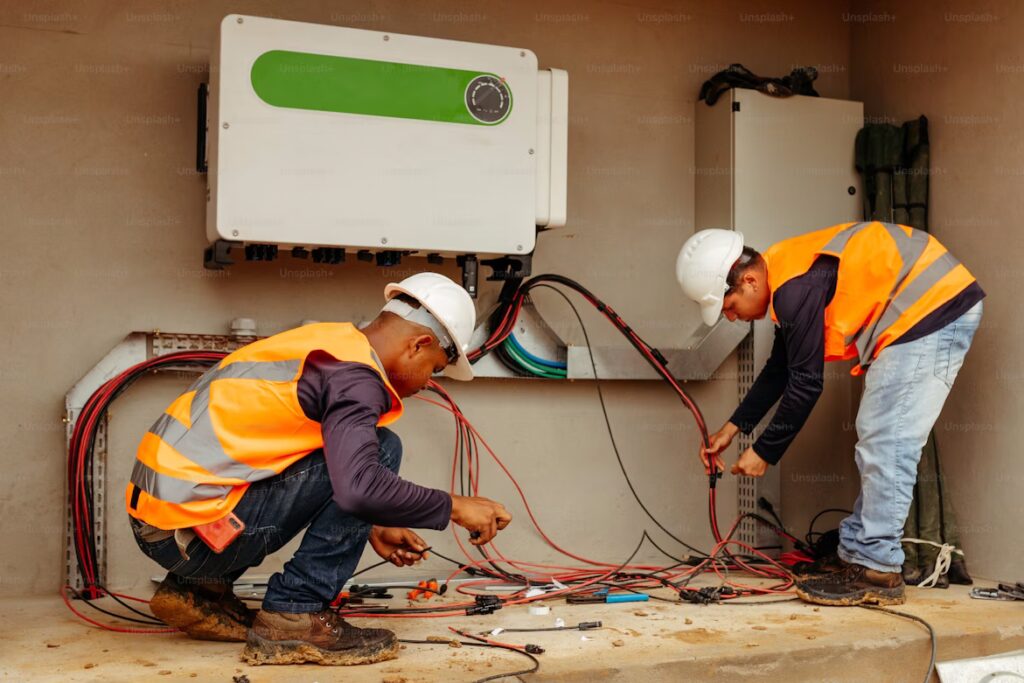
A meter upgrade involves three different parties. Your gas supplier appoints a Meter Asset Manager who owns and fits the meter. The gas network (Cadent, SGN, Northern Gas Networks or Wales and West Utilities) or an accredited independent provider deals with any change to the service pipe. A Gas Safe registered engineer handles the pipework and appliances inside the building.
E for Energy coordinates all three, so you deal with one contact instead of chasing each company separately. We also put a competitive contract in place through our business gas procurement service, because the new meter cannot be fitted until a supplier is registered.
Does a Bigger Meter Cost More to Run?
The unit price of gas does not change with meter size, but larger meters can carry higher standing charges or meter rental, and larger supplies may move into a different pricing band. That is why sizing correctly matters: too small and the site cannot work, too large and you pay for capacity you never use.
For a breakdown of typical charges and timescales, see gas meter installation costs and lead times.
Frequently Asked Questions
What size gas meter does a restaurant need?
Most small cafes manage on a U16. A busy restaurant with ranges, fryers, grills and a boiler often needs a U25 or U40. The right answer comes from the total kW of every appliance and how many run together at service time.
Can I just swap my U6 for a U16?
Sometimes, if the existing service pipe and main can deliver the extra flow. If they cannot, the network will need to upsize the service first. A load check and a network enquiry will tell you which applies.
How long does a gas meter upgrade take?
A straightforward meter exchange can be done within a few weeks once a supply contract is in place. If the service pipe needs replacing, allow two to three months or more for quotes, permits and excavation.
Is U6 a domestic or commercial meter?
Both. A U6 is the standard domestic meter but is also fitted to many small businesses. The meter is the same, what changes is the supply contract and how the site is registered.
Who decides the meter size?
Your engineer calculates the load, the network confirms what the service and main can deliver and the Meter Asset Manager fits the meter. We coordinate those steps for you.