Gas is still the main source of heat and hot water for many UK businesses, and for kitchens, bakeries, laundries and manufacturers it is often essential to trading. When a site needs a new gas meter, a bigger one, or a supply for the first time, the process involves more parties and more safety checks than most people expect.
This guide walks through business gas meter installation from start to finish: who is involved, which meter your site needs, how long it takes, what it costs and how to avoid the delays that catch many businesses out.
Who Is Involved in a Business Gas Meter Installation?
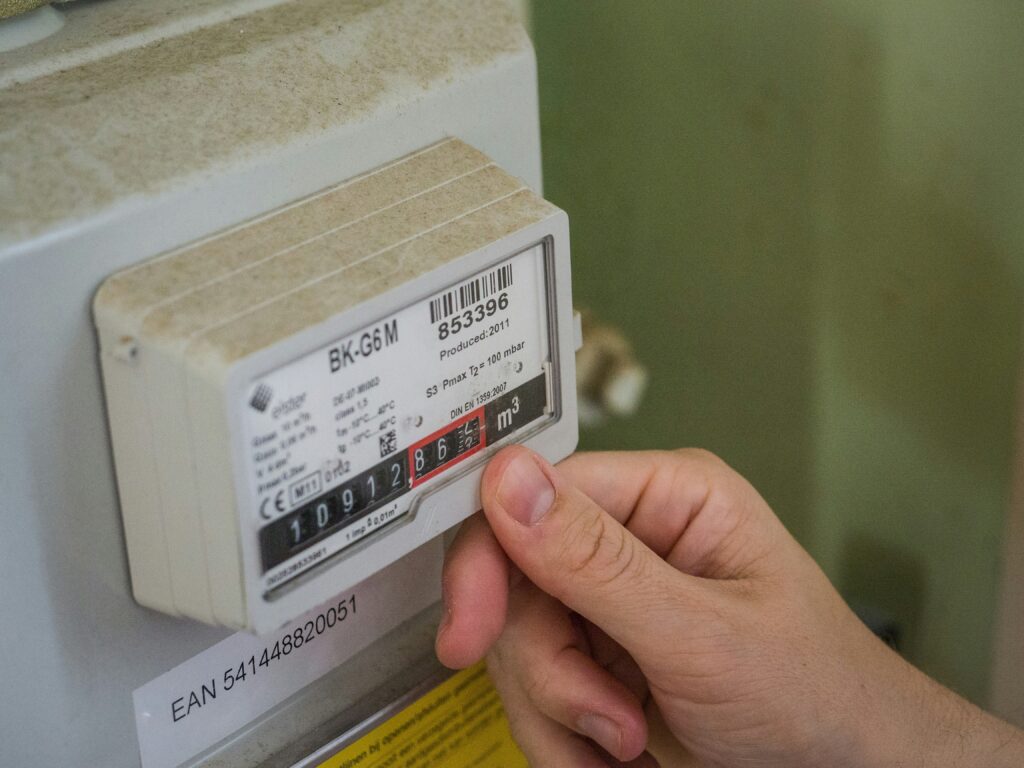
- Your gas supplier registers the supply in your name and appoints the company responsible for the meter.
- The Meter Asset Manager (MAM) provides, installs and maintains the meter on behalf of the supplier.
- The Gas Transporter owns the local gas network and the service pipe up to the meter. In most areas this is Cadent, SGN, Northern Gas Networks or Wales and West Utilities. New connections can also be delivered by an independent Utility Infrastructure Provider (UIP).
- A Gas Safe registered engineer must carry out any work on the gas pipework and appliances on your side of the meter.
Every gas supply point has an MPRN (Meter Point Reference Number). If your premises does not yet have one, the site needs a new connection before a meter can be fitted.
Which Gas Meter Does Your Business Need?

Gas meters are sized by the maximum flow rate your appliances need at the same time, not simply by your annual usage.
- U6 meters are the same size as a typical household meter and suit small offices, shops and salons with a boiler and little else.
- U16, U25 and U40 meters suit restaurants, takeaways, pubs, care homes and schools with commercial kitchens or larger heating systems.
- U65 and above, including rotary and turbine meters, are used by large sites such as manufacturers, hospitals and leisure centres.
Larger sites also need an automated meter reading (AMR) device. Sites using more than 732,000 kWh a year are required to have AMR, which sends readings to the supplier automatically. Smaller sites often receive a smart gas meter, which does a similar job.
Choosing the right size matters. An undersized meter restricts gas flow, so appliances such as combination ovens and boilers may not perform properly. An oversized meter can cost more to install and maintain than necessary. Your Gas Safe engineer can calculate the load from your appliance list.
The Business Gas Meter Installation Process
- Check the existing supply. Find out whether there is a live supply with an MPRN and whether the pipe and meter are large enough for your planned appliances.
- Arrange a supply contract. A supplier needs to be registered before it can instruct the MAM. This is the right time to compare business gas prices rather than defaulting to the incumbent supplier.
- Apply for a new connection or upgrade if needed. The Gas Transporter or a UIP surveys the route, provides a quote and schedules the work once accepted.
- Prepare the meter position. The meter housing or room must be accessible, ventilated and in a location the engineer can safely work in.
- Meter fitting. The MAM engineer installs the meter, along with any regulator and AMR device.
- Commissioning. A Gas Safe engineer tests the pipework for tightness, purges it and commissions your appliances before gas is used on site.
How Long Does It Take?
- Meter exchange or upgrade on an existing supply: often a few weeks from the contract being in place, depending on meter size and engineer availability.
- New gas connection: typically a couple of months or more. The quote, survey, highway permits and excavation all take time, and larger pipe sizes or pressure tiers add further lead time.
- Large or specialist meters: rotary and turbine meters may need equipment ordering and more detailed design, so allow extra time.
Delays usually come from applying late, uncertainty about the load required, access problems or no supplier being in place. If you are planning a new kitchen, production line or heating system, raise the gas supply at the design stage rather than after the equipment has been ordered.
How Much Does Business Gas Meter Installation Cost?

Costs vary widely depending on the work needed:
- Standard meter exchanges on an existing supply are often provided by the supplier or MAM with the cost recovered through the standing charge or a meter rental charge.
- Meter upgrades to a larger size may carry a one off charge, particularly where the regulator, housing or pipework also needs changing.
- New connections are quoted by the Gas Transporter or UIP and depend on the distance from the gas main, the pipe size, the pressure tier and the cost of digging and reinstating the road or pavement.
- Your own pipework and the commissioning of appliances by a Gas Safe engineer are separate costs.
Always check what each quote includes, as the meter, service pipe, internal pipework and reinstatement may be priced by different companies.
Common Mistakes to Avoid
- Ordering equipment before checking the supply. A new combination oven or boiler is no use if the meter cannot deliver enough gas.
- Going live without a contract. Using gas without an agreed contract usually means deemed rates, which are significantly higher than negotiated prices.
- Ignoring meter rental. Larger meters and AMR devices can carry ongoing charges that should be factored into your budget.
- Forgetting about electricity. Many projects need a new or upgraded electricity supply at the same time. See our guide to business electricity meter installation to plan both together.
How E for Energy Can Help
E for Energy handles new connections and metering and gas meter installation for businesses across the UK, including construction projects and schools. We work with suppliers, meter asset managers and network operators to get the right meter installed, and we secure a competitive gas supply contract so your site is never left on deemed rates. If you need to understand how prices move over the year, our article on why gas prices change throughout the year is a good place to start.
To discuss your site, contact our team.
Frequently Asked Questions
Who installs a business gas meter?
The meter is installed by a Meter Asset Manager appointed by your gas supplier. The Gas Transporter or an independent provider handles the connection to the network, and a Gas Safe registered engineer works on the pipework inside your premises.
How long does a business gas meter installation take?
A meter exchange on an existing supply usually takes a few weeks once a contract is in place. A new gas connection normally takes a couple of months or more because of surveys, permits and excavation.
What size gas meter does my business need?
It depends on the total gas flow your appliances need at the same time. Small offices usually need a U6 meter, commercial kitchens often need a U16 to U40, and large industrial sites need U65 or larger.
Does my business need an AMR gas meter?
Sites using more than 732,000 kWh of gas a year must have automated meter reading. Smaller sites can benefit from a smart or AMR meter too, because it removes estimated bills.
Can I use gas before my meter is commissioned?
No. The pipework must be tested and the supply commissioned by a Gas Safe registered engineer before any gas appliances are used.