
Hair and beauty salons use more energy than many owners realise. Hairdryers, straighteners, heated washbasins, towel warmers, sunbeds, wax heaters, lighting and heating all run for long hours, often six days a week. When energy prices rise, salons feel it quickly, and margins that were already tight can disappear.
This guide explains what salon owners typically pay for energy, how business tariffs for salons work, what to look for when choosing between the best energy suppliers for beauty salons, and practical ways to bring bills down.
Why Salon Energy Bills Are Higher Than Expected
Most salons are small premises, so owners often expect small bills. In reality, a salon’s energy use is concentrated in a few high demand appliances:
- Hot water. Backwashes run almost constantly, and water heating is one of the biggest single costs in most salons.
- Styling tools. Hairdryers typically draw between 1,500 and 2,400 watts each. A salon with five stations running dryers through a busy Saturday adds up quickly.
- Heating and air conditioning. Clients expect a comfortable temperature, and front doors open and close all day.
- Lighting. Bright, even lighting is essential, and many salons still use older halogen spotlights.
- Treatment equipment. Beauty and nail salons add sunbeds, wax heaters, steamers, UV lamps and sterilising equipment.
Because so much of the load falls during opening hours, salons are also exposed to peak time pricing if they are on a tariff that varies by time of day.
What Do Salon Owners Pay for Energy?

There is no single figure, because costs depend on the size of the salon, the equipment used, opening hours and, above all, the contract rates you are paying. What matters most is understanding how your bill is made up:
- Unit rate. The price per kWh for the electricity or gas you use.
- Standing charge. A fixed daily charge that you pay regardless of how much you use.
- Climate Change Levy (CCL). A government tax on business energy, although very small users may be exempt.
- VAT. Charged at 20% for most businesses, although some very low users can qualify for the reduced rate. Our guide to lower VAT on energy bills explains when this applies.
As an illustration, a salon using 20,000 kWh of electricity a year pays around £200 extra for every 1p per kWh difference in the unit rate, before VAT and CCL. That is why the gap between a good contract and a poor one can be worth thousands of pounds over a typical fixed term.
The most expensive position for any salon is being on deemed or out of contract rates, which apply if you move into premises without agreeing a contract, or let your existing contract end without renewing. These rates are usually far higher than negotiated prices. If you have recently taken over a salon, check which tariff you are on straight away. Our change of tenancy guide explains what to do.
Choosing the Best Energy Supplier for Your Salon
The best supplier for one salon is not necessarily the best for another. Rather than looking for a single name, compare suppliers on:
- Total annual cost, combining unit rates and standing charges, not just the headline rate.
- Contract length. Fixed contracts of one to three years give certainty. Longer terms can lock in a good price, but check what happens at the end.
- Fixed or flexible pricing. Most small salons are best suited to a fixed price contract, which makes budgeting easier. Our guide to fixed vs flexible energy contracts covers the trade offs.
- Standing charges. For small users, a low standing charge can matter as much as the unit rate.
- Customer service and billing. Accurate, easy to understand bills save time, especially for owners who run the business and do the admin themselves.
- Green options. Many clients care about sustainability, and renewable backed tariffs can support your brand.
A broker can compare these factors across a wide panel of suppliers at once, which is much quicker than requesting quotes one by one. You can compare business energy prices with E for Energy to see what is available for your salon.
Practical Ways for Salons to Cut Energy Costs

Once you are on the right contract, small operational changes can make a noticeable difference:
- Switch to LED lighting. LEDs use a fraction of the energy of halogen spotlights and produce less heat, which also helps with cooling in summer.
- Review your water heating. Insulate tanks and pipes, check thermostat settings and consider whether an efficient point of use or heat pump system would suit your salon.
- Choose efficient styling tools. Newer ionic and brushless motor dryers dry hair faster and use less energy.
- Turn equipment off, not to standby. Towel warmers, wax heaters and sterilisers are often left on all day. Put them on timers where possible.
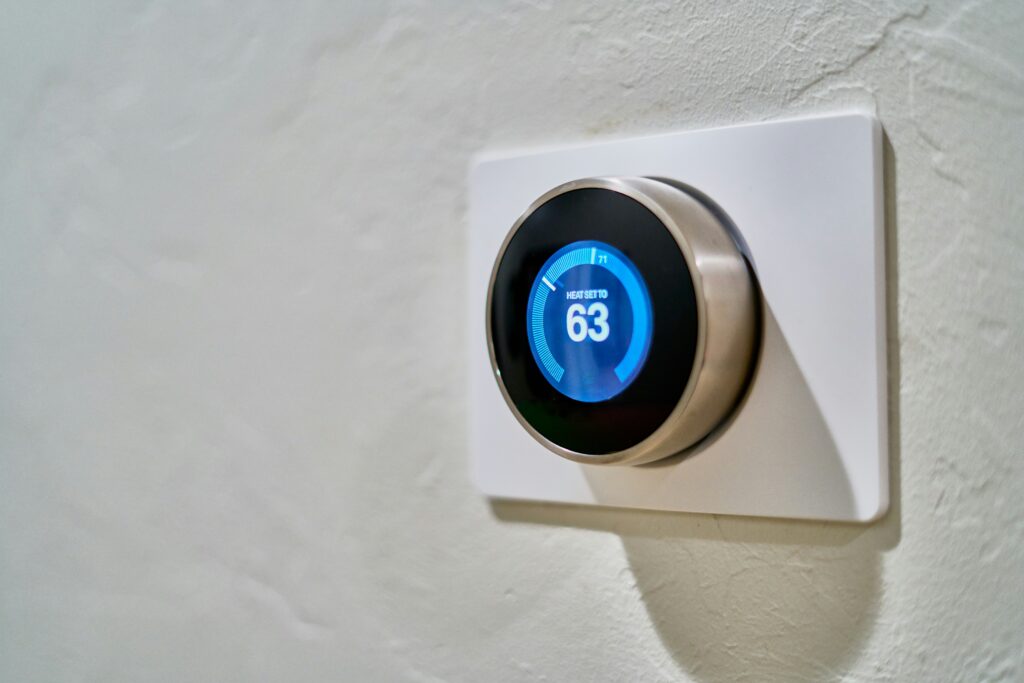
- Control heating properly. Smart thermostats and door closers stop heat escaping every time a client walks in.
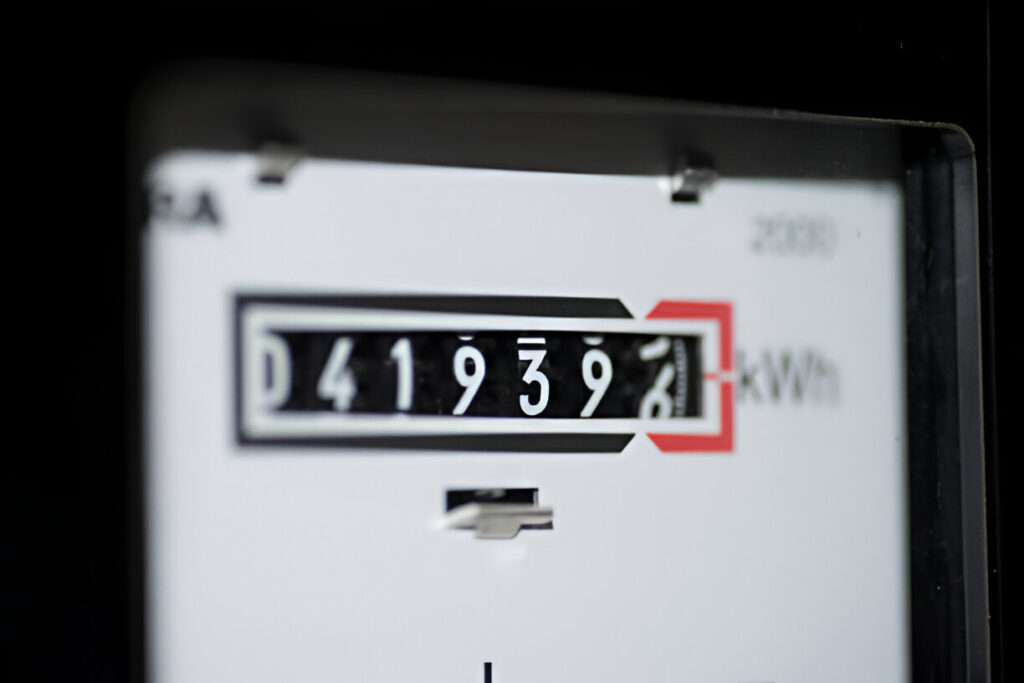
- Get a smart meter. Accurate readings end estimated bills and help you see where energy is going. Read more about whether smart meters save businesses money.
When Should a Salon Switch or Renew?
Start looking at new prices several months before your current contract ends. This gives you time to compare offers and avoid being rolled onto a more expensive renewal. Our guide on the best time to switch business energy supplier explains how timing affects price.
If you are opening a new salon or refitting an existing one, think about energy early. Upgrades to the electrical supply or water heating are much easier to plan before the fit out begins.
How E for Energy Helps Hair and Beauty Salons
E for Energy works with hair and beauty salons across the UK to find competitive electricity and gas contracts, take care of the switch and keep an eye on renewal dates so you never end up on expensive rollover rates. We handle the paperwork so you can focus on your clients.
To find out what your salon could be paying, get in touch with our team.
Frequently Asked Questions
Which energy supplier is best for a beauty salon?
There is no single best supplier for every salon. The right choice depends on your usage, contract length, standing charges and service needs. Comparing several suppliers at once, usually through a broker, is the quickest way to find the best value for your salon.
Why is my salon energy bill so high?
Hot water, hairdryers, heating and lighting all run for long hours in a salon. Bills are also much higher if you are on deemed or out of contract rates, so check your tariff if you have recently moved in or your contract has ended.
Should a salon choose a fixed or flexible energy contract?
Most small salons benefit from a fixed price contract because it makes costs predictable. Flexible contracts are generally better suited to larger businesses with high usage and the capacity to manage market risk.
Can a salon pay less VAT on energy?
Businesses that use very small amounts of energy may qualify for the reduced 5% VAT rate. Most salons pay the standard 20% rate, but it is worth checking your bills to make sure you are being charged correctly.
When should a salon start looking for a new energy contract?
Ideally several months before your current contract ends. Starting early gives you time to compare prices and avoid being moved onto expensive rollover rates.