
Energy is one of the largest controllable costs for most UK businesses, yet many organisations still buy it the same way they did years ago: they wait for a renewal letter, accept the price and move on. Business energy procurement is the process of buying electricity, gas and water in a planned, structured way so that you pay a fair price, manage risk and avoid expensive surprises.
This complete guide covers how business energy procurement works in the UK, the main buying strategies, what makes up the price you pay, how to run a procurement process and how to decide whether to manage it yourself or use a specialist.
What Is Business Energy Procurement?
Business energy procurement covers everything involved in securing energy supply contracts for your organisation. That includes understanding your consumption, choosing a buying strategy, going to market, comparing offers, negotiating terms, signing contracts and managing them until the next renewal.
Done well, procurement is not a one off purchase but an ongoing cycle. Prices move with wholesale markets, network and policy charges change every year, and your own usage evolves as the business grows. A good procurement approach keeps all of these in view.
It applies across all utilities:
- Electricity procurement for power supplies of every size, from single shops to half hourly metered industrial sites.
- Gas procurement for heating, hot water and process use.
- Water procurement in England and Scotland, where business customers can choose their water retailer.
Why Energy Procurement Matters
- Cost. The difference between a well timed, competitively tendered contract and a default renewal can be substantial, especially for higher users.
- Budget certainty. The right contract structure makes costs predictable, which helps with pricing, cash flow and planning.
- Risk management. Wholesale energy prices can move sharply, as businesses saw during recent supply shocks. Procurement strategy determines how exposed you are.
- Avoiding deemed and rollover rates. Missing a renewal window can leave you on rates far above market levels. Our guide on what happens when your energy contract ends explains the risks.
- Sustainability. Procurement is also how you source renewable energy and support net zero commitments.
What Makes Up Your Business Energy Price?

Understanding the components of your bill helps you see which parts procurement can influence:
- Wholesale energy. The cost of the energy itself, which moves with the market. This is the part most affected by when and how you buy.
- Network charges. Costs for transporting energy, including transmission (TNUoS) and distribution (DUoS) charges. Read our guides to TNUoS charges and DUoS charges.
- Policy costs. Levies that fund government schemes and renewable generation.
- Metering and settlement costs, including meter operator and data collection charges for half hourly sites.
- Supplier costs and margin.
- Taxes, including the Climate Change Levy and VAT.
Non commodity costs now make up a large share of many business energy bills. That makes it important to check whether a quote fixes these charges for the contract term or passes changes through to you. Our article on reducing third party costs goes into more detail.
Business Energy Buying Strategies

Fixed price contracts
You agree a set price for the whole contract term. Fixed contracts give certainty and are the most common choice for small and medium businesses. The trade off is that you lock in the market level on the day you sign.
Flexible purchasing
Larger users can buy energy in tranches over time rather than all at once. This spreads risk and lets you take advantage of dips in the market, but it requires a clear risk policy and active management. Our guide to fixed vs flexible energy contracts compares the two in detail.
Pass through and fully fixed
Some contracts fix only the energy price and pass network and policy costs through at actual rates. Others fix everything. Pass through contracts can look cheaper at the outset but carry more risk if charges rise.
Renewable and green contracts
Renewable tariffs are usually backed by REGO certificates. Businesses with stronger sustainability goals may also consider corporate power purchase agreements. See understanding REGOs and why they matter.
The Business Energy Procurement Process, Step by Step

- Gather your data. Collect recent bills, meter numbers (MPANs and MPRNs), annual consumption, half hourly data where available and current contract end dates.
- Set your objectives. Decide what matters most: lowest price, budget certainty, flexibility, renewable supply or a single contract across multiple sites.
- Choose a strategy. Match the buying approach to your risk appetite and consumption.
- Plan the timing. Start well before your contracts end. For many businesses, six to twelve months ahead gives the most options. Our guide to the best time to switch explains why timing matters.
- Go to market. Invite suitable suppliers to quote on a like for like basis. For larger requirements this is a formal tender, explained in what happens during a business electricity tender.
- Evaluate offers. Compare total cost, contract terms, pass through arrangements, payment terms and service, not just the headline unit rate.
- Negotiate and sign. Clarify any conditions before committing, then sign within the price validity window, as quotes often expire the same day.
- Manage the contract. Validate bills, track consumption, monitor the market and diarise the next renewal.
Procurement for Multi Site Businesses
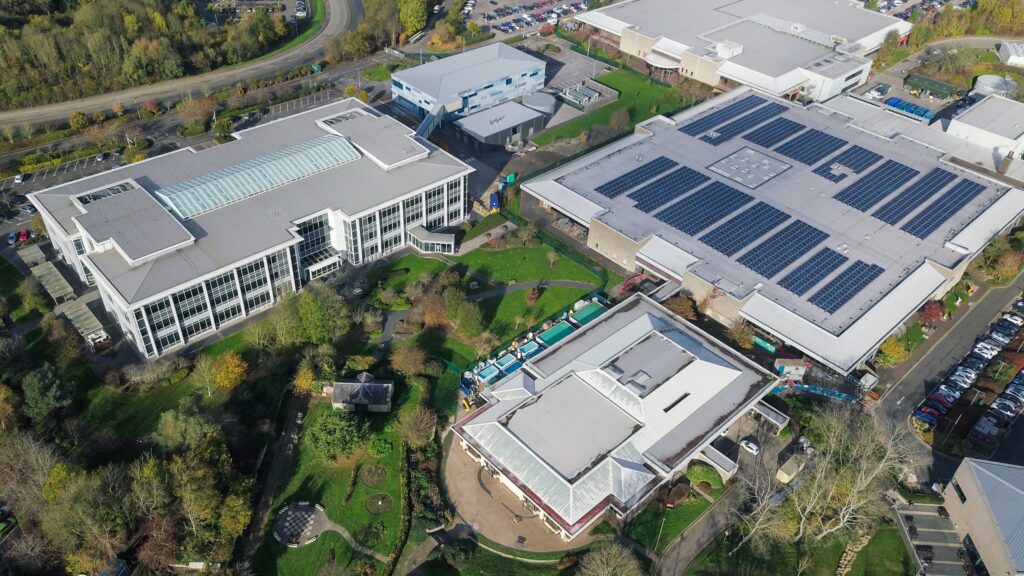
Organisations with several premises face extra complexity: different contract end dates, a mix of meter types and many separate bills. Good procurement brings these together by aligning end dates, consolidating billing where it helps and using the combined volume to secure better terms. Our guide to energy planning for business expansion and new locations covers this in more detail.
Metering, Connections and Settlement
Procurement is not only about price. Getting metering right affects the accuracy of your bills and the contracts available to you. Market wide half hourly settlement is changing how businesses are billed, as explained in our half hourly settlement guide. Half hourly sites also need a meter operator contract, and new or expanding sites may need new connections and metering.
Should You Manage Procurement Yourself or Use a Specialist?
Businesses can buy energy directly from suppliers, and some larger organisations run procurement in house. For most, however, a specialist adds value by providing market knowledge, access to a wide panel of suppliers, tender management and ongoing contract monitoring. Our comparison of buying directly or using a consultancy sets out the pros and cons, and how electricity procurement consultants save businesses money explains where the savings come from.
Common Energy Procurement Mistakes
- Waiting for the renewal letter instead of planning ahead.
- Comparing unit rates only and ignoring standing charges and pass through costs.
- Letting quotes expire while waiting for internal sign off.
- Missing termination notice windows in contract terms.
- Not checking bills against contracted rates.
- Treating every site separately when combined buying would help.
How E for Energy Can Help
E for Energy provides complete business energy procurement across electricity, gas and water, along with utility services including metering and connections. We gather your data, recommend a buying strategy, tender your requirements across our supplier panel, manage the switch and track your contracts so renewals never catch you out. You can also compare business energy prices to get started.
To review your current contracts, speak to our team.
Frequently Asked Questions
What is business energy procurement?
Business energy procurement is the process of buying electricity, gas and water for an organisation in a planned way. It covers understanding consumption, choosing a buying strategy, tendering, negotiating contracts and managing them through to renewal.
When should a business start the energy procurement process?
Ideally six to twelve months before current contracts end. Starting early gives access to more suppliers, more pricing options and time to buy when market conditions are favourable.
Is a fixed or flexible energy contract better?
Fixed contracts suit most small and medium businesses because they give budget certainty. Flexible purchasing can work well for larger users with a clear risk strategy who can manage buying in tranches over time.
What information is needed to procure business energy?
You will usually need recent bills, meter numbers (MPANs for electricity and MPRNs for gas), annual consumption, half hourly data where available and your current contract end dates.
Do I need an energy broker to procure business energy?
No, but many businesses use a broker or consultant because they provide access to more suppliers, market insight and support with tendering, contract management and renewals.