
More businesses are looking at workplace EV charging as electric vehicles become a bigger part of everyday transport. For some, it is about supporting employees who already drive electric cars. For others, it is linked to fleet planning, sustainability targets, customer expectations or long-term energy strategy.
Installing business EV charging points can be a practical step, but it needs to be planned properly. The right setup can make charging easier for staff, visitors and fleet vehicles. The wrong setup can lead to unnecessary installation costs, poor charger use or issues with electricity capacity.
This guide explains the main grants, costs and setup considerations for businesses thinking about workplace EV charger installation.

Businesses are installing EV charging points for several reasons. Employee demand is growing as more drivers switch to electric vehicles, and workplace charging can make EV ownership more practical for staff who may not have easy charging access at home.
Workplace charging can also support businesses moving company cars, vans or wider fleets over to electric vehicles. For organisations with sustainability targets, EV charging can form part of a wider move towards lower-carbon operations.
There is also a customer and visitor benefit. For offices, hospitality venues, retail sites, business parks and healthcare buildings, EV charging can improve the experience for people travelling to the site. As EV use grows, access to charging is becoming a stronger expectation rather than a nice extra. The UK Government describes the transition to electric vehicles as an important part of reaching the UK’s net zero target.
The main grant for workplace EV charging is the Workplace Charging Scheme, also known as the OZEV workplace charging grant. It is designed to help eligible businesses, charities and public sector organisations with the cost of installing EV chargepoint sockets at their sites.
From 1 April 2026, the Workplace Charging Scheme provides up to £500 per socket, covering up to 75% of the purchase and installation cost, with support available for up to 40 sockets across all sites per applicant. Funding is currently available until 31 March 2027.
To qualify, businesses usually need suitable off-street parking and permission to install the chargers. The chargepoints must also be installed by an approved installer, and the application process needs to be completed correctly. This is why it is worth checking eligibility before committing to the project.
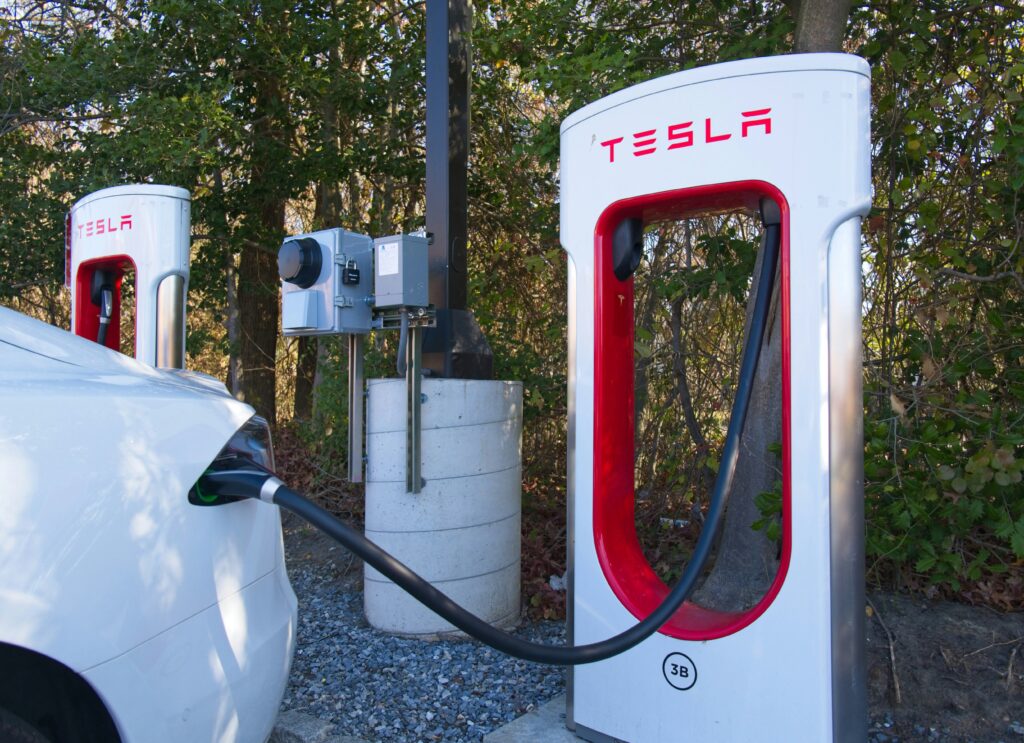
The cost of EV charging for businesses depends on the number of chargepoints, charger speed, site layout, available electrical capacity and whether infrastructure upgrades are required.
A simple workplace charger installation may only need a small number of AC chargepoints. A larger fleet or customer-facing site may need multiple bays, faster chargers, load management, payment systems, signage and additional electrical works. Some industry cost examples suggest installed commercial AC chargers can range from around £1,500 to £5,000 depending on the charger type and site requirements, while rapid or ultra-rapid chargers can cost significantly more.
Businesses should also think beyond the upfront cost. Ongoing costs may include maintenance, software, repairs, electricity use, payment management and future upgrades. If the site needs extra electrical capacity, the project may also involve network works or DNO engagement.
The first step is usually a site review. This looks at where chargers could be installed, how many spaces are needed, how the chargers will be used, and whether the existing electrical supply can support them.
After that, the business may need a more detailed electrical survey. This checks available capacity, cable routes, distribution boards, load management options and whether any network approval is required. National Grid guidance highlights that EV charging projects may need to consider the wider energy system and DNO involvement, particularly where higher demand could require capacity upgrades or reinforcement.
Once the technical setup is confirmed, the installation can be planned. This may include applying for the grant, arranging any DNO approval, installing the chargers, testing the system and setting up ongoing operation. For businesses, it is also important to decide who can use the chargers, whether charging will be free or paid, and how costs will be monitored.
In some cases, EV charger installations may fall under permitted development rights, which means a full planning application may not be needed. However, this depends on the site, location, charger type and installation details. Planning rules can also be different for listed buildings, conservation areas, car parks, public-facing sites or larger commercial installations.
Businesses should also check whether landlord approval is needed. This is especially important for leased offices, industrial units, retail sites and managed business parks. Even where planning permission is not required, the property owner may still need to approve the works.
Grid considerations are also important. If the chargers increase the site’s electricity demand, the business may need to speak to the DNO before installation. This is particularly relevant for rapid chargers, fleet depots or sites planning to add more chargers in future.
At E for Energy, we help businesses plan workplace EV charging in a way that fits their wider energy strategy. This includes reviewing your site, checking energy capacity, looking at available grants and helping you understand the likely costs before you commit.
We can also support with supplier coordination, metering arrangements, infrastructure planning and long-term energy cost management. This helps make sure your EV charging project is not looked at in isolation, but as part of your wider business electricity setup.
If your business is considering EV charging points, E for Energy can help you understand your options, avoid unnecessary costs and plan a setup that works now and in the future.