For many businesses, arranging electricity is not as simple as choosing a supplier and agreeing a tariff. If you are setting up a construction site, opening a new commercial building, running a temporary project or preparing a development, you may need to decide whether a temporary electricity supply or permanent electricity supply is the right option.
This is where costs can become confusing. A temporary meter may seem like the cheaper and quicker route at first, but it is not always the most cost-effective option in the long run. Equally, a permanent supply may not be practical if the site is not ready or the final connection details have not been confirmed.
This guide explains the difference between temporary and permanent supplies, when each one is needed, and how to decide which option gives better value for your business.
What Is a Temporary Electricity Supply?
A temporary electricity supply is a short-term connection used when a site needs power before a permanent connection is ready. It is often used during building work, site preparation, fit-outs or temporary operations where electricity is needed for tools, lighting, welfare units, machinery or site offices.
This is sometimes called a temporary builders supply. It gives a site access to electricity while construction or preparation work is taking place. National Grid describes a temporary connection as one used for less than five years, often by construction teams during the building of a new development.
A temporary supply is not usually designed to be the final long-term setup. It is there to support a specific stage of work until the site is ready for its permanent supply.
What Is a Permanent Electricity Supply?
A permanent electricity supply is the long-term connection that powers a building or site once it is ready for normal use. This is the supply that remains in place for ongoing business operations, whether that is a shop, office, warehouse, care home, industrial unit or commercial development.
Unlike a temporary supply, a permanent connection is designed around the final use of the building. This includes the expected demand, meter type, supply capacity and long-term commercial electricity connection requirements.
Northern Powergrid explains that a new electricity connection provides power to a premises or site that is not already connected to the electricity network, including homes, businesses, developments and major infrastructure projects. For businesses, this is usually the setup needed once the site is ready to operate properly.
When Do Businesses Need a Temporary Meter?
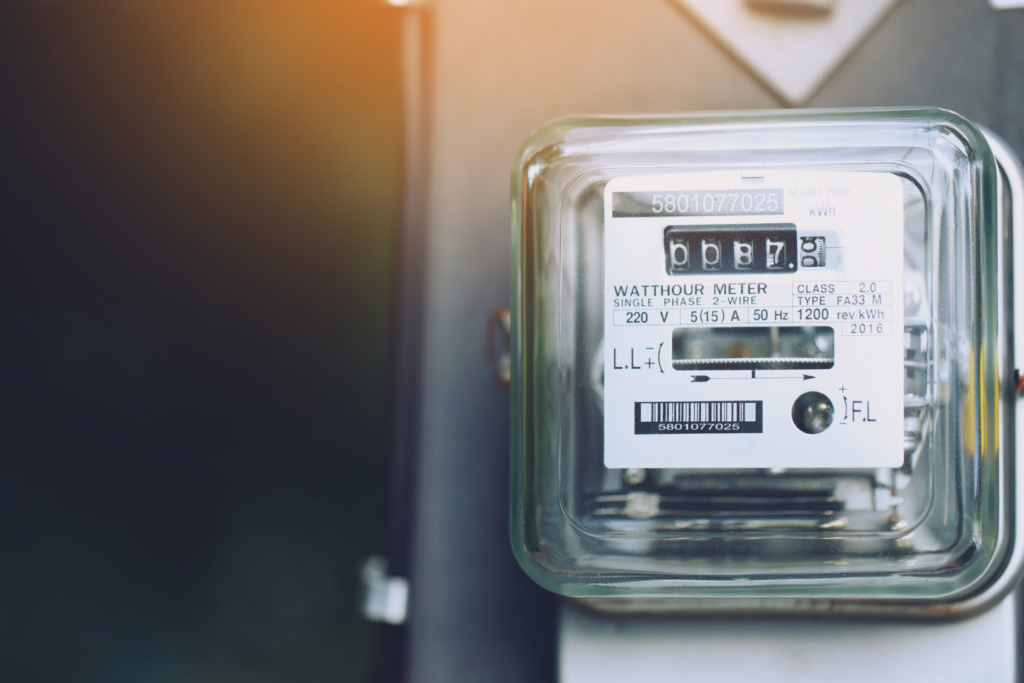
Businesses usually need temporary meters when power is required before the final building or site is complete. This is common on construction sites, new developments, commercial refurbishments, temporary buildings, events, site compounds and large fit-out projects.
For example, a developer may need temporary power for construction equipment before the permanent supply is installed. A business may need electricity during a fit-out before the final meter position is ready. An event organiser may need a short-term supply for lighting, catering, security and temporary facilities.
Temporary power for construction sites is often used as an alternative to relying fully on generators. It can provide a more stable electricity source, but it still needs to be planned correctly with the network operator, supplier and metering arrangements.
Temporary vs Permanent Supply: What’s the Main Difference?
The main difference is the purpose of the connection. A temporary supply is designed for short-term use, while a permanent supply is designed for long-term operation.
A temporary supply is usually arranged to support building work, site preparation or short-term business activity. It may be disconnected once the permanent supply is ready. A permanent supply, on the other hand, is installed for the finished site and is intended to remain in place for normal day-to-day use.
There can also be differences in installation, timescales, contracts and costs. UK Power Networks explains that temporary electricity connections can involve work on the electricity network, including underground work and trenching. For larger commercial projects, UK Power Networks also refers to temporary supplies over 70 kVA being used to power tools and machinery on large commercial sites.
Which Option Is More Cost Effective?
The most cost-effective option depends on how long the supply is needed and what the site will be used for.
A temporary electricity supply can be cost-effective if the site only needs power for a limited period or if the permanent connection cannot be installed yet. It can help avoid delays, reduce reliance on generators and support work while the site is still being developed.
However, if the site will need electricity for the long term, a permanent supply is usually better value. Keeping a temporary supply for too long may lead to extra charges, repeat works, additional metering costs and the need to pay again when the permanent connection is installed.
In simple terms, temporary supply is often the practical choice for short-term needs. Permanent supply is usually the better long-term investment.
How E for Energy Helps Businesses Arrange Temporary and Permanent Supplies
At E for Energy, we help businesses understand the best route for their electricity supply setup. This includes reviewing whether a temporary meter is needed, whether a permanent electricity supply would be more cost-effective, and what needs to be arranged with suppliers and network operators.
We can support with temporary builders supplies, commercial electricity connections, supplier coordination, metering arrangements and cost reviews. This helps make sure the supply is suitable for the site, the contract is managed properly, and unnecessary costs are avoided.
If your business is planning a new site, development, fit-out or temporary project, E for Energy can help you compare your options and choose the most practical, cost-effective setup.