
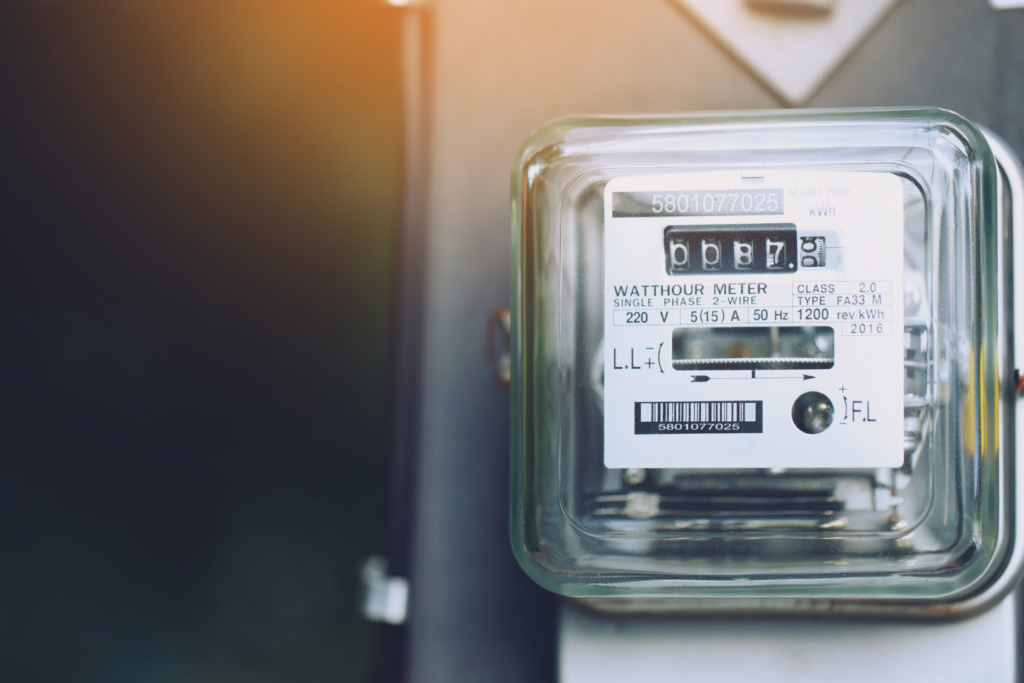
Whether you are fitting out a new unit, taking on an empty building, adding capacity or replacing an old meter, business electricity meter installation is one of those jobs that looks simple until you are in the middle of it. Several different companies are involved, each with its own part to play, and a delay at any one stage can hold up the opening of a site.
This guide explains who installs a business electricity meter, which type of meter your premises needs, what it usually costs, how long it takes and what you can do to keep the process moving.
Who Installs a Business Electricity Meter?
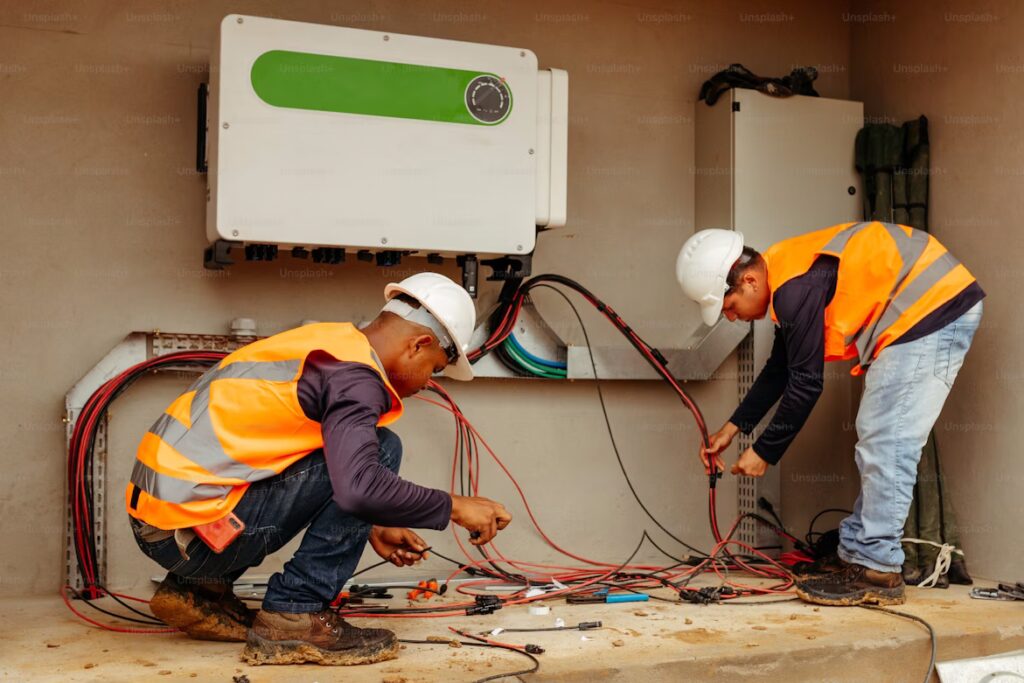
Most businesses assume their supplier fits the meter. In practice, the work is split between several parties:
- Your energy supplier registers the supply in your name and appoints the companies that look after the meter.
- The Meter Operator (MOP) owns or manages the meter, installs it, maintains it and replaces it when needed. Half hourly sites hold a separate meter operator contract.
- The Distribution Network Operator (DNO) runs the local network. It owns the cable into your building and the cut out (the main fuse) that the meter connects to. If there is no supply yet, or the existing one is too small, the DNO or an Independent Connection Provider (ICP) has to carry out that work first.
- Your electrician is responsible for everything on your side of the meter, including the main switch and distribution board.
Knowing who does what matters, because each party can only start once the previous step is complete. The meter cannot be fitted until there is a live supply with an MPAN (Meter Point Administration Number), and the supplier cannot book the MOP until a contract is in place.
Which Type of Electricity Meter Does Your Business Need?
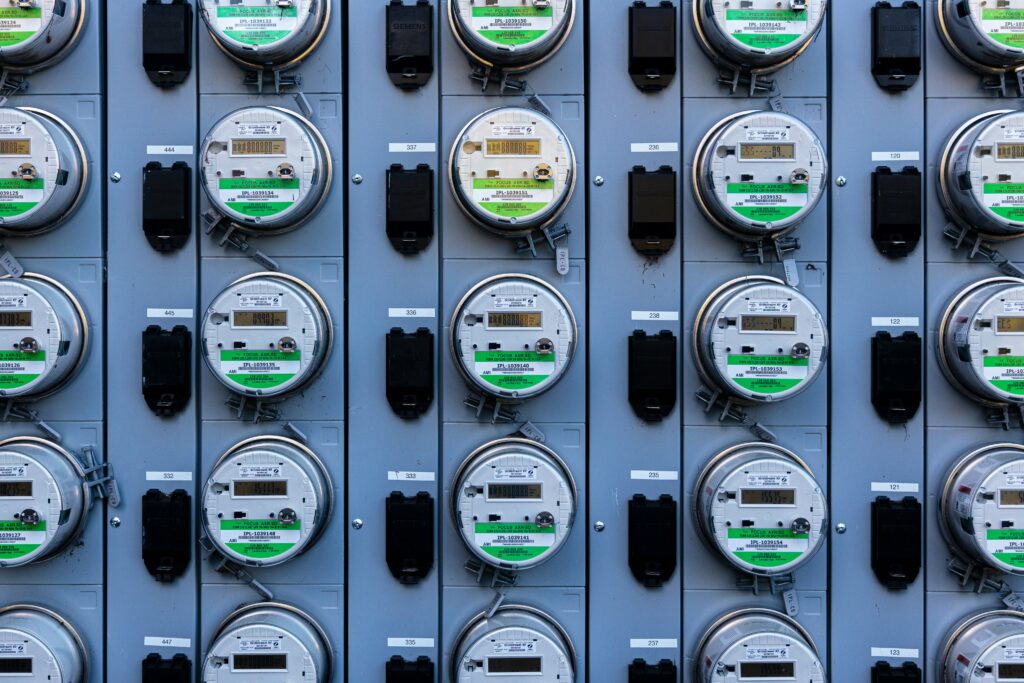
The right meter depends mainly on how much electricity the site uses and how large the supply is.
Smart meters
Most small and medium sized businesses now receive a smart meter. It sends readings to the supplier automatically, which ends estimated bills and gives you clearer data on when and where you use power. You can read more in our guide to whether smart meters save businesses money.
Whole current meters
On smaller supplies, all of the electricity passes directly through the meter. This is known as whole current metering and is normal for shops, offices, salons, takeaways and other sites with a single phase or smaller three phase supply.
CT (current transformer) meters
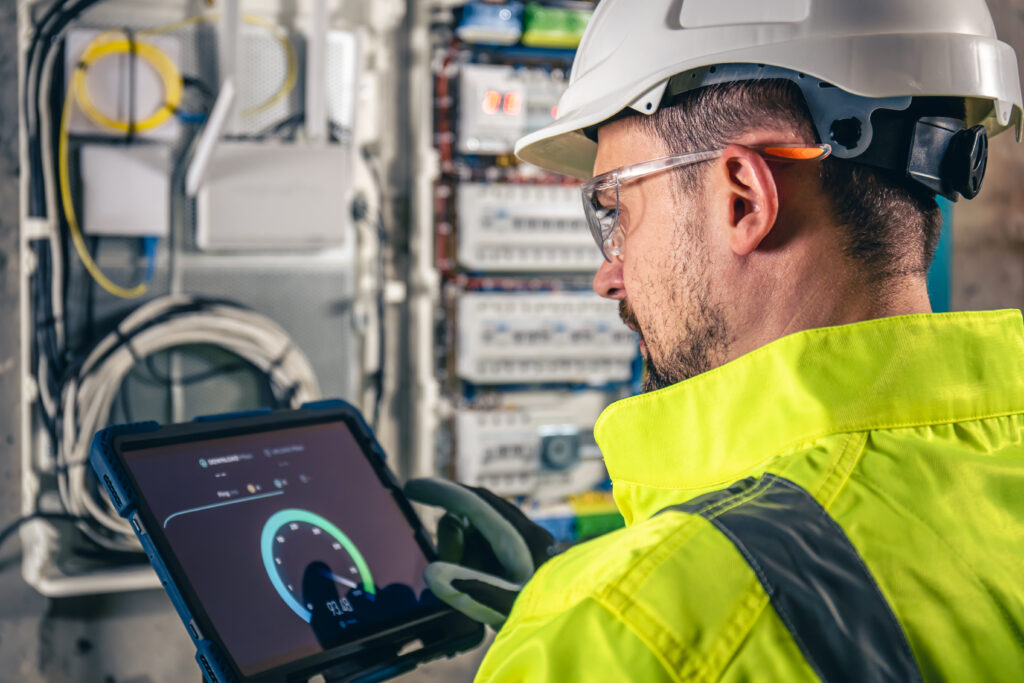
Larger supplies carry more current than a meter can handle directly. Instead, current transformers are fitted around the cables and the meter measures a scaled down signal. CT metering is common in factories, larger retail units, hotels, schools and multi tenant buildings. Installation is more involved and usually needs the supply to be isolated for a short period.
Half hourly meters
Sites with high demand have their consumption recorded every 30 minutes. Half hourly data allows suppliers to price your contract more accurately and helps you spot waste, but it also brings a separate MOP contract and data collection agreement. Our guide to half hourly meters for high consumption businesses explains the detail.
If you are unsure which category you fall into, your current bill, the size of your main fuse and your expected annual usage will usually answer the question.
The Business Electricity Meter Installation Process, Step by Step
Every project is slightly different, but most follow the same order:
- Confirm the supply. Check whether the building already has a live connection and an MPAN. If not, a new connection needs to be applied for first.
- Agree a supply contract. A supplier needs to be registered against the MPAN before it can arrange a meter. This is a good point to compare business energy prices rather than accepting the first quote.
- Supplier appoints the MOP. For half hourly and CT metered sites, the MOP contract and data collector are also put in place at this stage.
- Site readiness checks. The meter position must be safe, accessible and ready, with the cut out in place and your electrician’s installation complete and tested.
- Installation appointment. The MOP engineer fits and commissions the meter.
- Energisation and registration. The supply is switched on, the meter details are registered to the MPAN and billing begins from the first reading.
How Long Does It Take?
Timescales depend almost entirely on what already exists at the site.
- Replacing or upgrading a meter on an existing live supply: often a few weeks from the contract being agreed, depending on engineer availability in your area.
- Installing a meter on a new supply that the DNO has already connected: usually several weeks, as the MPAN must be issued and registered before the meter can be booked.
- A brand new connection or a capacity increase: anything from a couple of months to considerably longer, as the DNO must quote, you must accept, and any network or street works need to be planned and permitted.
The most common causes of delay are applying too late, missing paperwork, an unsuitable meter position and waiting for the supply contract to go live. Starting early, ideally before any fit out work begins, is the single most effective way to avoid a site opening without power.
How Much Does Business Electricity Meter Installation Cost?

There is no single price, because the work involved varies so much from site to site. As a general guide:
- Standard and smart meters on an existing supply are often installed at no upfront cost as part of a supply contract, with the cost recovered through your standing charge.
- CT and half hourly meters usually involve a MOP contract with an annual fee, and sometimes an installation or commissioning charge.
- New connections and supply upgrades are the largest variable. The DNO quote reflects the cable length, the capacity required, any substation work and the cost of digging in the road. Simple connections can cost a few thousand pounds, while larger or more complex jobs can run far higher.
Always ask what is included. Some quotes cover the meter but not the cut out, trenching, reinstatement or your own electrical work.
Common Mistakes to Avoid
- Leaving it until the fit out is finished. Connections and meters run on their own timeline, which rarely speeds up at the end of a project.
- Accepting an out of contract rate. If a supply goes live without a contract, you may be billed at deemed rates, which are usually far higher than negotiated prices.
- Choosing the wrong meter. An undersized supply or the wrong meter type can mean a second visit, more cost and more downtime.
- Not checking the MOP terms. On half hourly sites, the MOP contract is a separate agreement with its own length and cost, and it is easy to overlook when it comes up for renewal.
How E for Energy Can Help
E for Energy manages new connections and metering for businesses across the UK. We coordinate the supplier, the MOP and the network operator, arrange the right meter for your site and put a competitive electricity supply contract in place so you are not left on deemed rates. If you need power on site before the permanent supply is ready, we can also arrange temporary meters.
To talk through your project, get in touch with our team.
Frequently Asked Questions
Who pays for a business electricity meter installation?
On an existing supply, the supplier and MOP usually cover the meter and recover the cost through standing charges or a MOP fee. New connections and supply upgrades are normally paid for by the business, based on a quote from the network operator.
How long does it take to get an electricity meter installed for a business?
A meter on an existing live supply typically takes a few weeks once a contract is agreed. If the site needs a new connection or a larger supply, the network work comes first and the overall timescale can run to several months.
Do I need a supply contract before a meter can be fitted?
Yes. A supplier must be registered against the MPAN before it can appoint a Meter Operator and book the installation.
What is the difference between a CT meter and a whole current meter?
A whole current meter measures all of the electricity passing directly through it and suits smaller supplies. A CT meter uses current transformers to measure larger supplies and is common in bigger commercial and industrial premises.
Can I keep trading while a meter is replaced?
Usually yes. A like for like meter exchange normally needs only a short power interruption, and CT meter work can often be scheduled outside your busiest hours.