
For many businesses, energy contracts can already feel complicated. Between suppliers, network operators, standing charges and meter readings, it is not always clear who is responsible for what.
One area that often causes confusion is the meter operator contract, also known as a MOP contract. This guide explains what a MOP contract is, what a meter operator does, what it may cost, and why it matters for your business.
A meter operator contract is an agreement between your business and a qualified meter operator. Their role is to install, maintain and manage your electricity meter so it works correctly and stays compliant.
This is usually needed for businesses with half-hourly electricity meters. These meters record usage every 30 minutes, which helps suppliers bill more accurately and gives businesses better visibility of their energy use.
A meter operator looks after the technical side of your electricity meter. This can include installing the meter, testing it, maintaining it, fixing faults and replacing equipment when required.
Their job is to make sure the meter is accurate, reliable and suitable for your site. If something goes wrong, such as a fault or communication issue, the meter operator is usually responsible for resolving it.
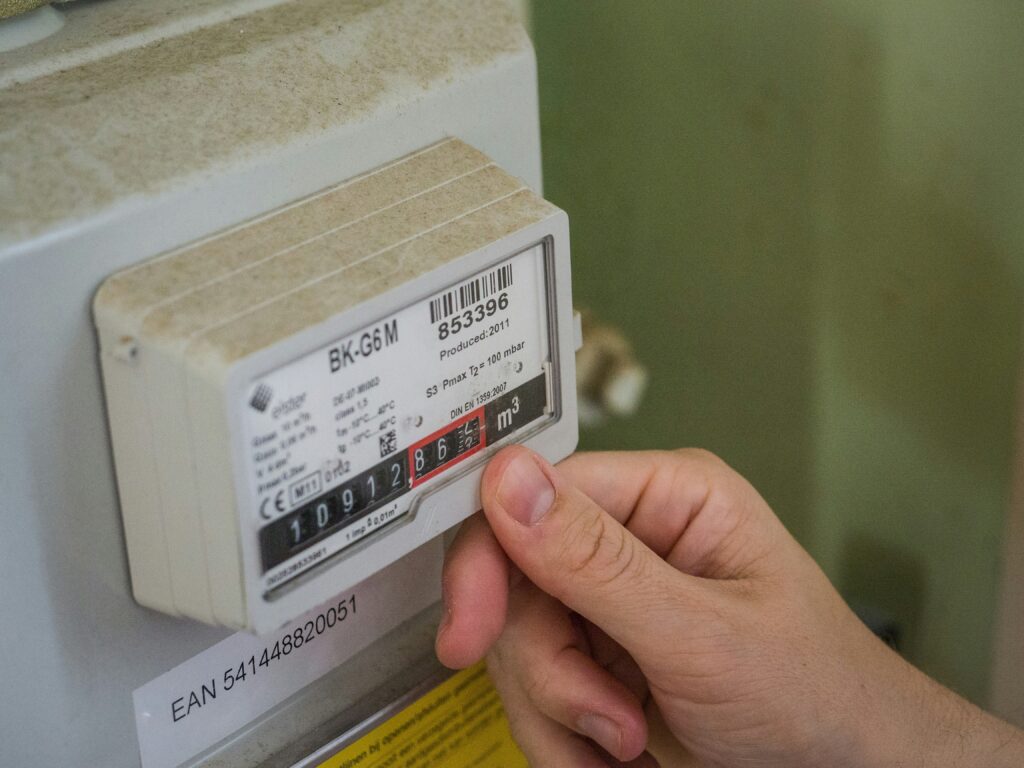
A MOP contract is most commonly needed by businesses with half-hourly meters. This may include larger commercial sites, care homes, landlords, manufacturers, hospitality businesses, multi-site operators and businesses arranging new electricity connections.
The main reason for having a MOP contract is to keep the meter properly managed. Without the right setup, businesses may face billing issues, compliance problems or delays when switching supplier or setting up a new supply.
MOP contract costs vary depending on the meter type, site requirements, contract length and whether the cost is billed directly or through your energy supplier.
Most contracts are charged annually per meter. The cheapest option is not always the best, as some agreements may include extra charges for call-outs, maintenance, faults, upgrades or early termination. It is important to check exactly what is included before agreeing to a contract.
A meter operator, DNO and energy supplier all play different roles. Your energy supplier sells you electricity and bills you for it. Your DNO, or Distribution Network Operator, owns and maintains the local electricity network.
Your meter operator looks after the meter itself. A simple way to understand it is this: the DNO delivers the electricity, the supplier charges for it, and the meter operator makes sure the meter records usage correctly.
In many cases, yes, businesses can choose their own meter operator. Some suppliers may appoint one by default, but that does not always mean it is the most cost-effective option.
Choosing your own MOP provider can give you more control over pricing, service levels and contract terms. However, the setup needs to be handled properly so there are no issues with billing, data flows or supply registration.
If your business needs a MOP contract in place, it can cause delays and unexpected costs. Your supplier may appoint a default provider, which could be more expensive than arranging one yourself.
It can also create problems with billing accuracy, meter faults and new connections. For businesses working to deadlines, especially landlords, developers and multi-site operators, poor metering arrangements can quickly become disruptive.
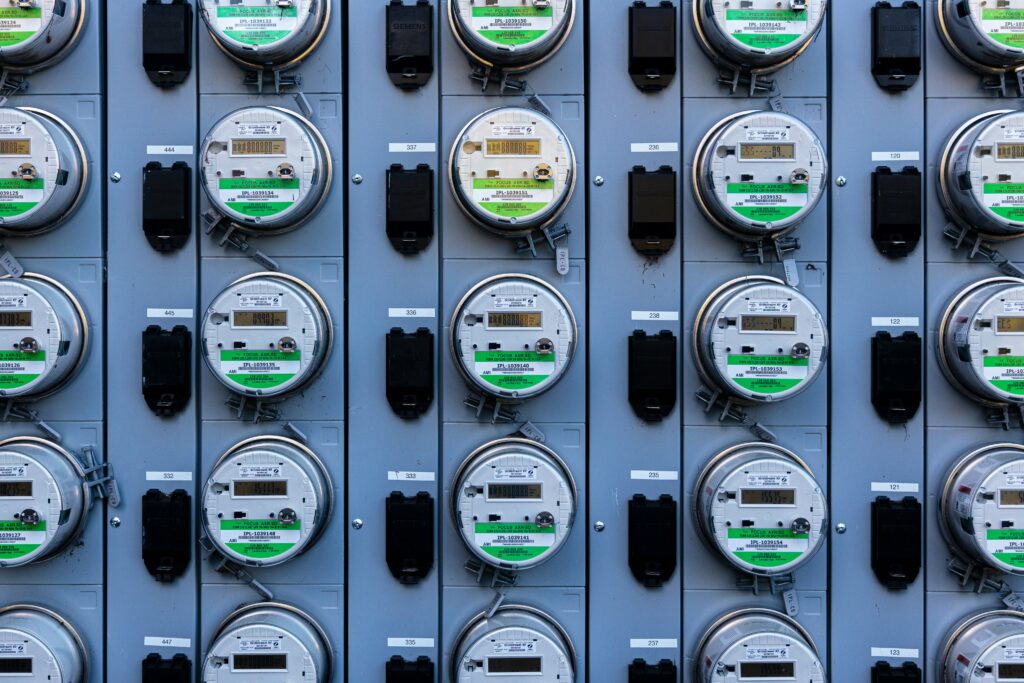
When choosing a meter operator, price is important, but it should not be the only factor. You should also look at service levels, contract length, fault response times and whether the provider has experience with your type of site.
The contract should be clear about what is included, what costs extra, and how long you are tied in for. If you manage multiple sites, it is also worth checking whether the provider can support your wider portfolio.
At E for Energy, we help businesses review and manage MOP contracts as part of their wider energy strategy. That includes checking your current agreement, highlighting any unnecessary costs, and helping you move to a contract that better suits your needs.
We can also support with new connections, temporary meters, supplier changes and multi-site energy management. The aim is to keep everything clear, compliant and cost-effective, without overcomplicating the process.
If you’d like us to take a look at your current setup, get in touch with our team today for a no-obligation review.